
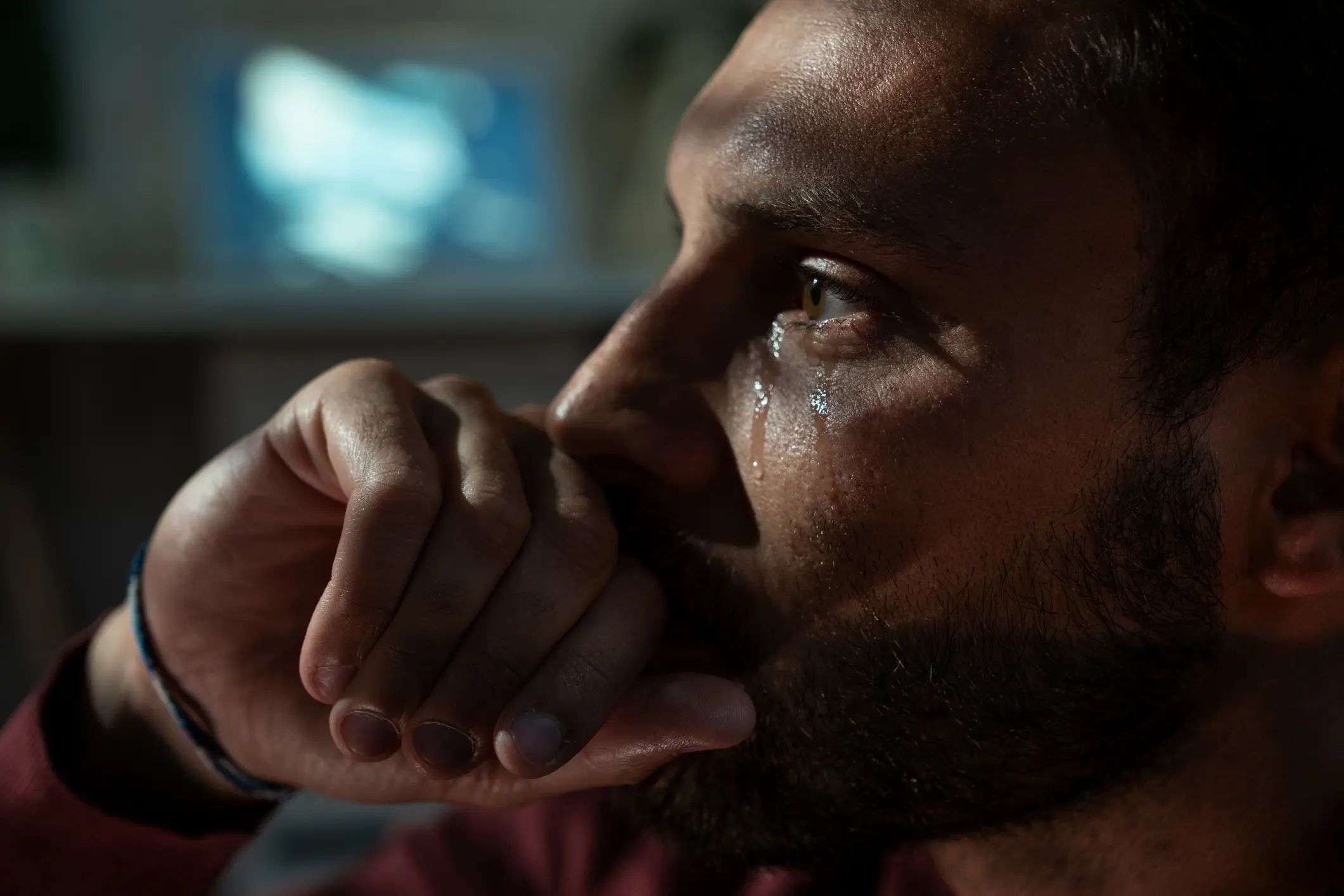
Grief is often described as an emotional experience - but what many people don't realize is that grief deeply affects the body. Whether you're coping with a loss of a loved one, a relationship, a job, or even a major life transition, grief can trigger real, measureable physical symptoms that impact your heart, immune system, sleep, digestion, and overall health.
Understanding how grief affects the body can help you recognize symptoms, reduce fear, and take proactive steps toward healing.
When you experience loss, your body activates its stress response system - often referred to as "fight or flight." The brain releases stress hormones like cortisol and adrenaline, preparing your body to handle danger.
The problem? Grief isn't a short-term event. It can last weeks, months, or even years.
Prolonged stress hormone elevation can lead to:
Over time, chronic stress can impact nearly every system in the body.
One of the most well-documented physical effects of grief is its impact on the heart. Severe emotional stress can contribute to what is known as broken heart syndrome, medically called Takotsubo cardiomyopathy.
This condition mimics a heart attact and can cause:
While often temporary, it highlights the strong connection between emotional trauma and cardiovascular health.
Even outside of extreme cases, grief can elevate blood pressure and increase cardiovascular strain.
Have you ever noticed getting sick after an intense emotional event? That's not a coincidence.
Grief weakens the immune system by increasing inflammation and stress hormone production. Research shows that people experiencing significant loss can have:
When the body is overwhelmed emotionally, it's ability to defend against illnesses decreases.
The gut and brain are closely connected through the gut-brain axis. Emotional distress directly impacts digestion.
Common digestive symptoms of grief include:
Chronic stress can disrupt gut bacteria and digestive patterns, leading to long-term gastrointestinal discomfort if not addressed.
Grief often disrupts sleep cycles. You may experience:
Poor sleep further elevates cortisol levels, creating a cycle of fatigue, mood swings, and impaired recovery.
Emotional pain often manifests physically. Many grieving individuals report:
The body literally "holds" stress in muscle tissue. Without release through movement or relaxation, this tension can become chronic.
Grief can disrupt hormone balance, particularly:
This can lead to weight gain, weight loss, fatigue, or metabolic slowdown. For some individuals, prolonged grief may also contribute to depressive symptoms, further altering appetite and energy levels.
Brain imaging studies shows that grief activates regions associated with pain processing, attachment, and reward pathways. The brain experiences loss similarly to physical injury.
This explains why grief can feel like:
Your brain is adapting to a new reality without the person or situation you've lost.
How to Support the Body During Grief
While grief cannot be rushed, supporting your body can help reduce long-term health consequences.
Strength training, running or yoga can lower cortisol, improve mood, and release muscle tension.
Maintain consistent bedtimes, reduce screen exposure at night, and create a calming routine.
Focus on high protein, healthy fats, and whole foods. Stabilizing blood sugar helps regulate mood and energy.
Meditation and breath work activates the parasympathtic nervous system and lowers stress.
Grief counseling, support groups, and trusted conversations with friends and family are powerful tools for emotional and physical healing.
Final Thoughts: Grief is Physical, Not Just Emotional
Grief affects the body in profound ways -from your heart and immune system to your digestion and sleep patterns. If you're experiencing physical symptoms during loss, know that this is a normal biological response.
Healing takes time. Supporting your physical health through movement, nutrition, sleep, and connection can help your body regulate while your heart processes the loss.
If you're navigating grief, give yourself permission to move slowly, care for your body intentionally, and seek support when needed. Healing is not about forgetting - it's about adapting, rebuilding, and honoring what was lost while strengthening yourself for what's ahead.
My Personal Struggle
This is not just another blog I am writing, it is a personal struggle I am facing myself currently. Three weeks ago I lost my sister to ovarian cancer and I returned back to my studio this week. I focused on strength training, meditation, journaling and being patient with myself.


