
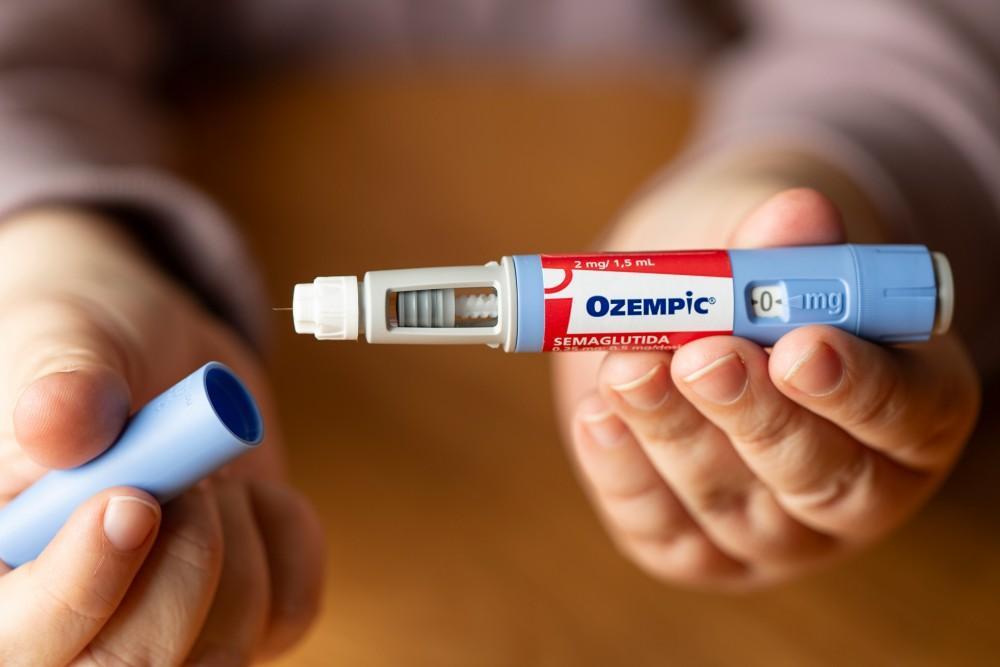
Ozempic and other GLP-1 medications have become widely used for weight loss due to their ability to suppress appetite and reduce calorie intake. While many people see rapid drops on the scale, fewer understand a critical side effect of this approach: loss of muscle mass and strength.
Muscle plays a vital role in metabolism, injury prevention, and long-term weight maintenance. Losing it can make weight loss harder to sustain and negatively impact overall health.
How Ozempic Works in the Body
Ozempic (semaglutide) is a GLP-1 receptor agonist that mimics a natural hormone responsible for:
While effective for weight loss, these mechanics can contribute to muscle and strength loss, especially when lifestyle factors are not addressed.
Why Ozempic Can Lead to Muscle Mass Loss
Ozempic often leads to a significant drop in daily calorie intake. When the body doesn't receive enough energy, it may break down muscle tissue for food - particularly if protein intake is low.
Reduced appetite can make it difficult to consume enough protein, which is essential for preserving lean muscle mass. Over time, this creates a negative muscle protein balance.
Many people using Ozempic focus mainly on weight loss without incorporating strength training. Without a stimulus to maintain muscle, the body has little reason to preserve it.
Fast weight loss increases the likelihood that a higher percentage of the weight lost comes from muscle rather than fat. Studies suggest that a notable portion of weight lost on GLP-1 medications may come from lean mass.
Prolonged calorie restriction can lower anabolic hormones and reduce neuromuscular performance, leading to declines in strength, endurance, and physical performance.
Signs You May Be Losing Muscle on Ozempic
These signs often go unnoticed until weight regain or strength loss becomes significant.
Why Muscle Mass Matters More Than the Scale
Muscle is metabolically active tissue. Losing it can:
This is why many people experience rapid weight regain after stopping Ozempic - the body is left with less muscle to support calorie needs.
How to Protect Strength and Muscle While Using Ozempic
Muscle loss is not inevitable. With the right strategy, it can be minimized or prevented.
Resistance training 3-4 times per week signals the body to preserve muscle, even during calorie deficits.
Aim for consistent protein intake spread across meals to support muscle retention and recovery.
Gradual weight loss is more sustainable and protective of lean mass than aggressive calorie restriction.
Body composition assessments help identify whether weight loss is coming from fat or muscle.
Guidance assures training and nutrition align with your goals - especially when using appetite-suppressing medications.
Is Ozempic the Right Long-Term Strategy?
For some people, Ozempic may be a helpful tool when paired with proper strength training and nutrition. However, medication alone is not a complete solution. Muscle preservation should be a priority, not an afterthought.
Final Thoughts
Ozempic can be effective for weight loss, but without intentional training and nutrition, it may lead to decreased strength and muscle mass. Long-term health, performance, and fat loss depend on maintaining lean muscle - not just losing weight.
If you're using Ozempic or considering stopping it, now is the time to focus on strength, muscle retention, and sustainable habits that support lifelong results.
Personal Training at Detroit Strong
Personal training provides the structure, accountability, and expert guidance needed to lose fat without sacrificing muscle. A customized program can help you stay strong, maintain metabolism, and feel confident in your body.
Book a Body Composition Assessment today and take control of your results beyond the scale.


